



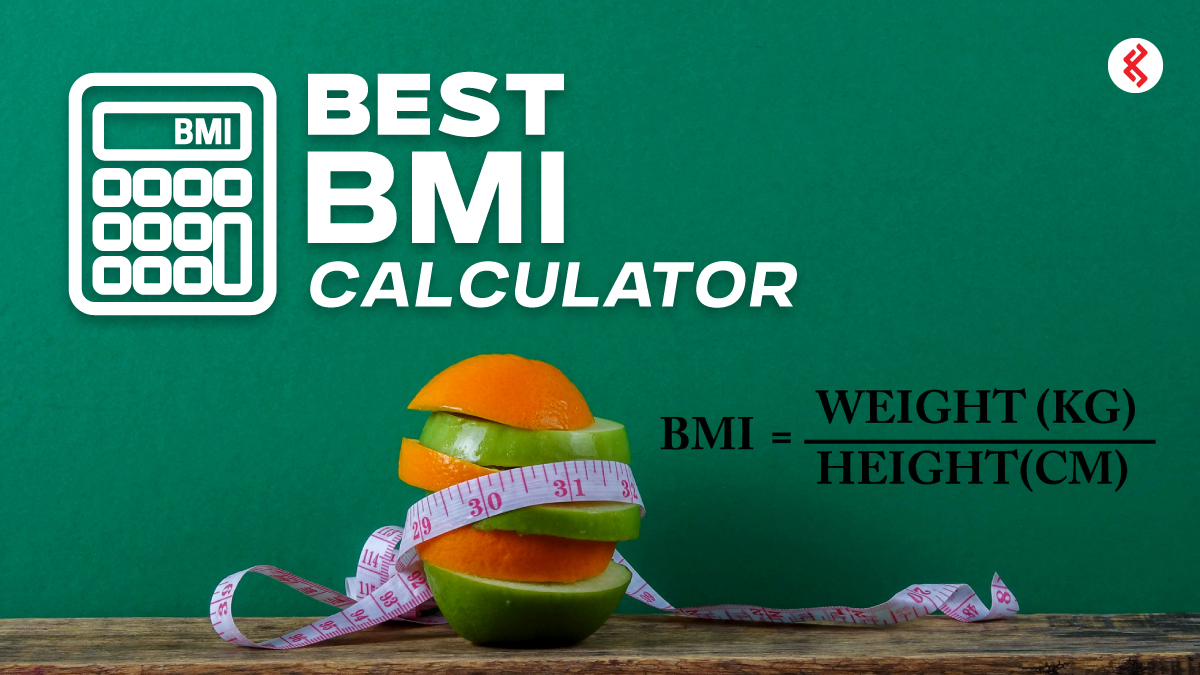
How to Calculate BMI Using the BMI Calculator
With our free BMI Calculator, you can calculate your BMI easily in metric or imperial reading and check if you are in the healthy range. First you must know your weight and your height to determine your Body Mass Index (BMI). Enter your information into the fields below to calculate your BMI.
You can calculate your BMI manually using the metric system or use our BMI calculator below.
- Formula: weight (kg) / [height (m)]2
- Calculation: [weight (kg) / height (cm) / height (cm)] x 10,000 (round to one decimal place)
Example: Lily’s weight is 32.5 kg and her height is 109.2 cm. What is Lily’s BMI?
(32.5 kg / 109.2 / 109.2) x 10,000 = 27.3
WHO BMI Categories (BMI Calculator)
| Standard BMI Value Range (kg/m2) | Category |
|---|---|
| <18.5 | Underweight |
| 18.5–24.9 | Normal weight |
| 25–29.9 kg/m2 | Overweight |
| ≥30 kg/m2 | Obese |
What is Body Mass Index (BMI)?
The body mass index (BMI) is a simple and the most commonly used index used to classify overweight and obesity. It is defined as a person’s weight in kilograms divided by the square of his height in meters (kg/m2).
The World Health Organization (WHO) defines overweight as a BMI of ≥ 25 and a BMI of ≥ 30 for obesity. However, because at any given BMI, Asians, including Singaporeans, generally have a higher percentage of body fat than do Caucasians, the BMI cut- off levels for Singaporeans have been revised such that a BMI 23 kg/m2 or higher marks a moderate increase in risk while a BMI 27.5 kg/m2 or more represents high risk for diabetes and cardiovascular diseases.
BMIs under 20.0 and over 25.0 have been associated with higher all-cause mortality, increasing risk from the 20.0–25.0 range.
WHO Asian BMI Categories (BMI Calculator)
| Asian BMI (kg/m2) for adults | Category |
|---|---|
| Below 18.5 | Underweight |
| 18.5 – 22.9 | Normal weight |
| 23 – 27.5 | Overweight |
| Above 27.5 | Obese |
Asians tend to have a BMI 2-3 kg/m2 lower than Caucasians for the same amount of body fat, age and gender, partly due to differences in body size and muscle mass.
Studies have shown that Filipinos, Vietnamese, Koreans, South Asians, and Japanese have higher rates of diabetes, according to the World Health Organization Asian BMI cut points.
BMI Calculator Asian (Singapore) vs BMI Calculator Western
In Singapore, the BMI cutoff figures were revised in 2005, after studies have shown that Singaporeans have a higher proportion of body fat and increased risk for cardiovascular diseases and diabetes mellitus as compared with general BMI recommendations in other countries.
Rather than an emphasis on weight, the BMI cut-offs are presented with an emphasis on health risk in the table below.
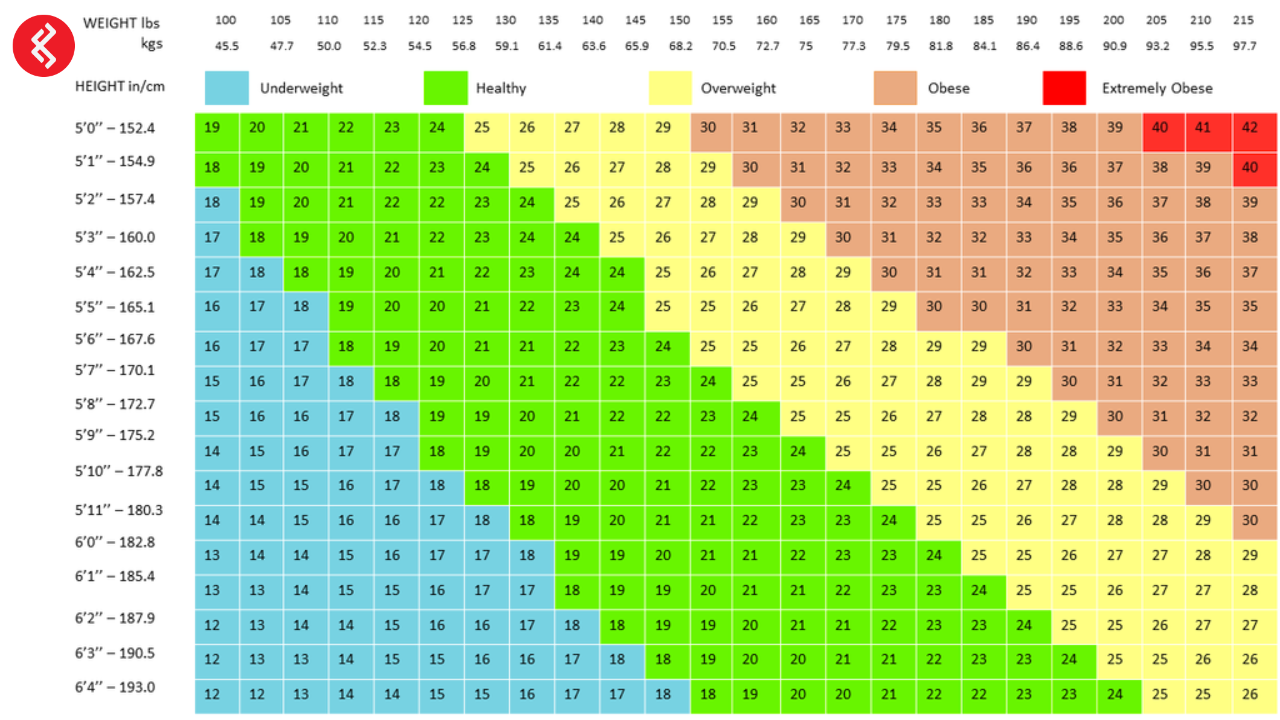
BMI Calculator for Korean, Japanese, Chinese and Indian
Asian populations, notably Koreans, Japanese, Chinese, and Indians, typically have a higher proportion of body fat, which elevates their risk for cardiovascular diseases and diabetes mellitus compared to other groups. This underscores the importance of using an Asian BMI calculator that’s attuned to these differences.
Research indicates that Asians with a BMI similar to whites are over twice as likely to develop type 2 diabetes. While Hispanics and blacks also show heightened diabetes risks compared to whites, the increase is less pronounced than in Asian populations.
Moreover, weight gain has a more severe impact on Asians. For instance, a 5-kilogram weight increase in adult Asians escalates their type 2 diabetes risk by 84%.
Although Hispanics, blacks, and whites with weight gain face heightened diabetes risks, the effect is considerably less severe than for Asians.
Further studies reveal that at the same BMI, Asians face greater risks of hypertension and cardiovascular diseases than white Europeans, and are more likely to succumb to these health issues.
Factors contributing to these risks in the Asian population include a higher incidence of abdominal obesity, driven by genetic, environmental influences, and dietary habits. Therefore, using a BMI calculator specifically designed for Asian populations is crucial for accurately assessing health risks.
| Asian BMI (kg/m2) for adults | Health risk |
|---|---|
| Above 27.5 | High Risk: Your weight is further above healthy range. It increases the risk for developing many chronic diseases such as heart disease and type 2 diabetes, and decreases overall quality of life. Talk to your healthcare provider about your ideal body weight and how to make healthy lifestyle changes. |
| 23 – 27.5 | Moderate Risk: Your risk for developing type 2 diabetes and other chronic diseases are higher. Talk to your healthcare provider about your ideal body weight and how to make healthy lifestyle changes. |
| 18.5 – 22.9 | Low risk: Continue exercising and eating healthfully. |
| Below 18.5 | Risk of nutritional deficiency diseases and osteoporosis. |
*BMI may not apply to athletes who tend to have large muscle mass, elderly people, pregnant women and children.
Optimal Waist Circumference for Asians
Sometimes even when your BMI is within healthy range, having too much fat around the abdomen (apple-shaped body) will still put you at risk for heart disease and diabetes. Below are the target goals for waist circumference measurements.
| Country/Ethnic Group | Waist Circumference Cut Points | Gender |
|---|---|---|
| South Asians. (Asian Chinese, Malay, and Indian population) | ≥ 90 cm (35.5 in) | Male |
| South Asians. (Asian Chinese, Malay, and Indian population) | ≥ 80 cm (31.5 in) | Female |
| Chinese (China) | ≥ 90 cm (35.5 in) | Male |
| Chinese (China) | ≥ 80 cm (31.5 in) | Female |
| Japanese and Korean | ≥ 90 cm (35.5 in) | Male |
| Japanese and Korean | ≥ 80 cm (31.5 in) | Female |
| Europids (Caucasian) | ≥ 94 cm (37 inch) | Male |
| Europids (Caucasian) | ≥ 80 cm (31.5 in) | Female |
| Americans | ≥ 102 cm (40.1 in) | Male |
| Americans | ≥ 88 cm (34.6 in) | Female |
Asia Ranking (% obesity by country)
Being overweight is also defined based on body-mass index: the threshold value is lower than for obesity, with a BMI equal to or greater than 25.
Globally, 13% of adults aged 18 years and older were obese in 2016. Obesity causes 8% of deaths in 2017 globally, an increase from 4.5% in 1990.
| Country | Adult Male % Obesity | Adult Female % Obesity |
|---|---|---|
| Singapore | 6.07 | 6.63 |
| China | 6.11 | 6.83 |
| Japan | 4.97 | 3.86 |
| Vietnam | 1.67 | 2.71 |
| South Korea | 4.57 | 5.03 |
| Cambodia | 2.84 | 5.06 |
| India | 2.87 | 5.31 |
| Laos | 3.90 | 7.02 |
| Philippines | 5.47 | 7.86 |
| Taiwan | 7.27 | 8.63 |
| Indonesia | 4.98 | 9.28 |
| Thailand | 7.26 | 13.25 |
| Malaysia | 13.44 | 18.64 |
| Brunei Darussalam | 13.00 | 16.43 |
| Myanmar | 4.21 | 7.61 |
Asian BMI and WHO BMI Standard
One possible explanation is body fat. Asians have a 3 to 5 percent higher overall body fat percentage than white Europeans with the same BMI.
South Asians have a particularly high percentage of body fat and are more prone to abdominal obesity, which may explain their high risk of type 2 diabetes and cardiovascular disease.
In contrast, studies have found that blacks have less body fat and more lean muscle mass than whites for the same BMI, and thus may have a lower risk of obesity-related diseases for the same BMI.
However, non-Hispanic blacks have a higher prevalence of obesity than non-Hispanic whites in the United States, so the overall burden of obesity-related disease in this group is still higher.
While genetic differences may be at the root of these different body fat patterns between Asians and other ethnic groups, environmental factors appear to be a stronger force.
How Accurate Is BMI Calculator?
Scientists have said that BMI cannot distinguish between fat and muscle. Muscle tends to be heavier and can move more toned individuals into the overweight status, even if their fat levels are low.
BMI also doesn’t tease apart different types of fat, each of which can have different metabolic effects on health. For instance, visceral fat is a type of body fat that’s stored within the abdominal cavity also known as Belly fat. It’s located near several vital organs, including the liver, stomach, and intestines.
Visceral fat is more harmful that fat that is stored just under the skin. Thin people can have high levels of visceral fat, even though they might be considered healthy by BMI standards, but they may pose a higher risk of developing health problems related to weight gain.
In the absence of a more nuanced method to measure body composition, BMI calculators remain a widely used tool. However, it’s important to remember that they provide a general guideline rather than a detailed health assessment.
Advantages Of BMI
Some benefits of BMI measurements are:
- BMI can help to measure the obesity rate in people. Observing the changes in BMI values can help doctors to evaluate the obesity levels in people over time.
- Scientists and researchers can gather BMI calculated data from the general population to study the obesity epidemic and determine the pattern of diet that results in obesity.
- Doctors can mitigate and monitor the health risks that come with obesity based on the BMI value of a person.
Disadvantages Of BMI
The BMI calculator is not 100% foolproof like any other body fat measurement tool or formula. Some drawbacks are:
- BMI is a simple mathematical formula that measures body fat based on your height and weight. It does not take into account the source of the weight – whether it is from lean tissue or fat.
- Sometimes, even when you have an average weight, you might fall under the overweight category based on the BMI value.
- BMI does not distinguish between the type of fat in your body – whether it is subcutaneous or visceral fat.
Subcutaneous fat is fat that is found under your skin which stores energy and influences the way you look. Visceral fat is mostly hidden and is located deep in the abdomen region surrounding the internal organs which imposes a high risk to your health.
How Much Should You Run According To Your BMI?
There are no strict guidelines on how frequently or far you should run according to your BMI values alone. However, if you have a high BMI, you can consider the following recommendation to lose weight with running.
- The heavier you are, the greater the stress and strain you will be putting on your joints by running. Check with a doctor or health professional to see if running is a good exercise option for you first.
- If you have a higher BMI, you should start with a shorter distance and run at an easy pace. You can use the pace calculator to calculate your running pace easily.
- Start a training session with a mixture of walk, run, swim or cycle similar short distances. Gradually, increase the distance over several weeks and months, as you build up your strength and endurance.
- Add in strength training to your workout few days in a week to help prevent injuries.
- Take account of your body type, runners and other athletes who maintain higher muscle mass might have a high BMI even though they are physically fit.
- Beginner runners should run three times a week for about 30 minutes. Don’t increase the intensity of your runs until you can run 30 minutes easily.
- Once you can run 30 minutes easily, aim to run 3 – 4 kilometres in 30 minutes.
Exercise is an effective way to lose weight and burn fat. To lose weight, you need to burn more calories than you consume or eat fewer calories than your body uses each day.
But exercise and workout doesn’t need to be boring, you can join a cool virtual race to spice up your workout and earn cool race items.
More About BMI Calculator
What is the normal BMI?
An ideal BMI for most adults is in the 18.5 to 24.9 range. For young people and children aged 2 to 18, the BMI calculation takes into account age and gender as well as height and weight. You are in the underweight range is your BMI is below 18.5 and overweight if your BMI is over 25.
How do I calculate my BMI?
Using the Body Mass Index Calculator to calculate using a person’s height and weight. The formula is BMI = kg/m2 where kg is a person’s weight in kilograms and m2 is their height in metres squared.
How do you calculate BMI with height and weight?
First you must know your weight and your height to determine your Body Mass Index (BMI). The formula is BMI = kg/m2 where kg is a person’s weight in kilograms and m2 is their height in metres squared or use our BMI Calculator.
How do you calculate BMI in kg?
You can calculate your BMI manually using the metric system Formula: weight (kg) / (height (m))2 Calculation: (weight (kg) / height (cm) / height (cm)) x 10,000.
Is there a free BMI calculator?
Use our RunSociety BMI calculator to calculate your BMI manually for free. Use our BMI chart to view your acceptable BMI.
Difference between Asian BMI and Standard BMI?
Based on WHO BMI standard the categories are as follows: 18.5–24.9 kg/m2 (normal weight), 25–29.9 kg/m2 (overweight) and ≥30 kg/m2 (obese).
For Asians, the WHO Asian BMI categories standard are as follows: 18.5–22.9 kg/m2 (normal weight), 23–27.5 kg/m2 (overweight) and ≥27.5 kg/m2 (obese).
Note: This BMI calculator is not a source of clinical guidelines. It is not a substitute for professional medical advice. Because BMI is calculated based on weight and height, it is only an indicator of body fat. People with the same BMI may have different levels of body fat. Individuals may consider seeking advice from their healthcare provider regarding a healthy weight status.