




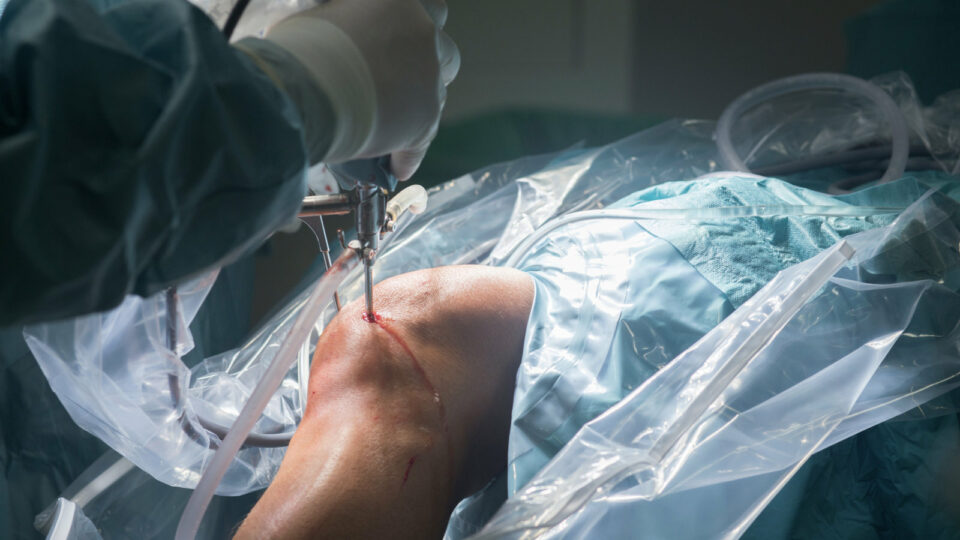

Surgeries are common procedures in healthcare prevention and management, regardless of how tedious and painful they can be. Surgeries are necessary when it comes to disease prevention, pain management, and even cosmetic changes. Surgeries are even common in athletes, as exercise and strain can cause injury or joint pain.
Regardless of the type of surgery you need, you’ll typically need at least a few weeks to recover before resuming normal activities. Improper recovery can cause permanent complications and, in some cases, even death!
Thankfully, doctors and surgeons provide easy-to-follow instructions to reduce complications. There are a few common, easy-to-make mistakes that you’ll want to avoid.
Table of Contents
Ignoring Aftercare Instructions
Your surgeon and pharmacist will provide instructions for rest and medication after your surgery to keep you safe and healthy. You’ll be dealing with open wounds that can easily become infected or more painful when you don’t follow proper aftercare procedures.
You can also tear sutures or cause excess strain on your surgical sites. Further complications can impact your ability to walk or move. Certain complications can even be fatal. Aftercare is extremely important; take instructions seriously!
Skipping Follow-Up Appointments
Doctors will often schedule follow-up medical appointments with you to check on your healing progress and inspect you for any infections. When you skip follow-up appointments, you may be more susceptible to complications or infections. Doctors are trained to spot complications, while you may not recognize signs as easily.
You may also need to attend physical therapy appointments to help you recover muscle strength and mobility. Be sure to participate in follow-up appointments like check-ups or physical therapy to make recovery speedy and efficient.
Poor Wound Care
Surgeries often result in freshly sutured wounds that need frequent cleaning and bandage replacement. Neglecting these tasks can increase your risk of deadly infections or prolonged healing. Keep your wound clean and the bandages replaced according to your surgeon’s instructions.
Don’t expose your surgical site to dirty areas. Attend follow-up appointments to monitor your wounds and remove stitches if necessary. Be careful with your surgical site.
Neglecting Post-Surgery Red Flags
While many surgery recoveries are complication-free, you shouldn’t assume everything will go as planned. Take your aftercare instructions seriously, and be on the lookout for any signs of complications like an infection. In large cities or busy surgical centers, mistakes can happen easily, resulting in complications.
Some studies place American surgical errors as high as 4,000 per year. New York has the highest rate of medical malpractice. In a single hospital in Chicago alone, 13 deaths were attributed to medical errors.
While most surgeries are successful, be vigilant about any potential surgical error and obtain a lawyer when necessary in large cities like Chicago. Red flags include major infections, nerve damage, difficulty breathing, or foreign objects in the body. If any complications arise or symptoms worsen or become unmanageable, seek medical care immediately.
Not Staying Hydrated
Surgeons perform these procedures many times, so they typically know what they’re doing. If you pay attention and follow instructions, you’ll be on the road to recovery in no time.
Proper hydration can help the healing process go smoother. When you are dehydrated, your surgical site can take longer to heal, and you’re more susceptible to infection. You’ll need to keep hydrated with water or fruit juices to replenish electrolytes after surgery.
Usually, you’ll need to refrain from eating and drinking at least twelve hours before surgery, so staying hydrated afterward can help make up the deficit.
Misusing Pain Medication
Surgery can cause some intense pain during recovery. To make pain more manageable, your doctor will likely prescribe at least one medication. Certain pain medications can cause addictions when taken too often or in high doses. You should follow prescriber and doctor instructions to reduce the risk of addiction.
You also don’t want to skip doses, as it can result in a lot of pain. Your doctor can prescribe a non-narcotic medication if you’re worried, but you shouldn’t go without pain management entirely.
Overexertion
You need to rest thoroughly after surgery. These procedures take a large toll on the body, and you’ll likely be very tired. Excessive exertion can also aggravate wounds or sutures. Avoid heavy lifting and intense exercise until your doctor gives you the okay.
Ask your doctor if you’re uncertain when you can start normal activity again. Ask for help from loved ones or nurses if you need something physically strenuous done.
Steps to a Successful Surgery Recovery
When you follow doctor and pharmacist instructions after surgery, you’ll likely recover just fine. However, there are rare occasions when emergencies or post-surgical complications can occur, so keep a watchful eye out for signs and symptoms.
It’s normal to be anxious after recovery; let your doctor know of any concerns you may have in order to mitigate symptoms of stress.
