




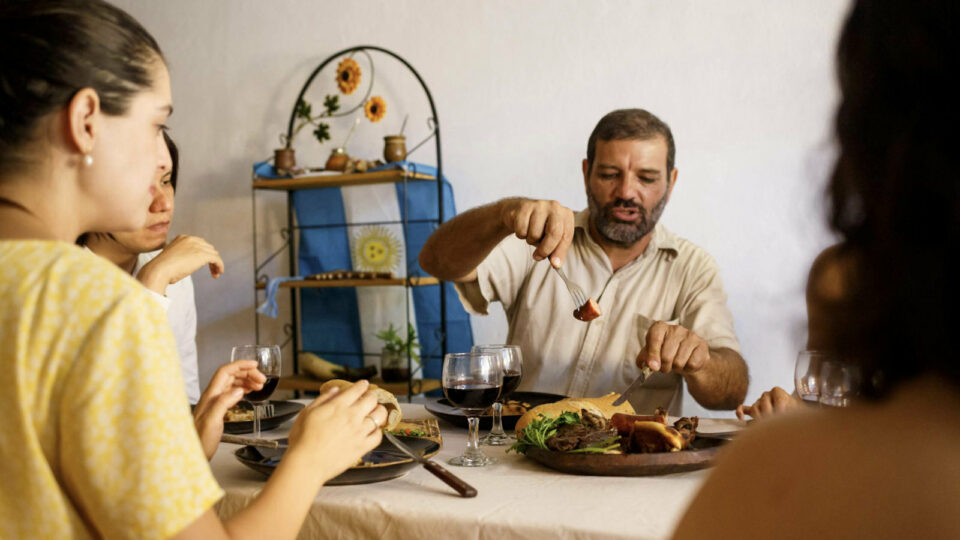

We all grow up learning different things about what it means to take care of ourselves. Some of us were taught to eat everything on our plates. Others learned to stop when we felt full. Some cultures place a big focus on movement or family meals, while others might emphasise quiet time or nature.
Because of this, “healthy” doesn’t mean the same thing to everyone, and that’s perfectly okay. The way we think about wellness is shaped by where we come from, who we spend time with, and what habits feel natural to us. This article explores why those differences matter and how they show up in our everyday routines.
Table of Contents
Health Is Not a One-Size-Fits-All Concept
What we consider supportive or “good for us” often ties back to our upbringing. For example, some people grow up in communities where walking everywhere is common. Others may rely on cars and make intentional time for exercise instead. Neither is more valid than the other—they’re just different ways of supporting the same thing: daily movement.
The same goes for how we eat, sleep, and relax. In some households, meals are long and social. In others, they’re quick and quiet. Even preferences like herbal teas, daily rest breaks, or traditional practices come from cultural patterns that influence our wellness choices today.
Some people also include wellness products as part of their daily routines. For instance, USANA Health Sciences offers a range of wellness-focused products that individuals often choose based on their lifestyle needs. The key is that these choices are personal. They’re not about meeting someone else’s idea of what wellness “should” look like—they’re about creating balance in a way that feels supportive to you.
When we see health through a cultural lens, it becomes easier to understand why people make the choices they do. And it reminds us that we’re not supposed to all do it the same way.
Why Different Approaches Are Equally Valid
Wellness trends can make it feel like there’s only one way to support your body, but that’s rarely true. What helps you maintain balance might look completely different from someone else’s routine, and that’s normal.
Maybe your habits come from family traditions. Maybe they’re shaped by your work, your climate, or your access to certain foods. You might prefer movement that feels social and fun, while someone else might value time alone on a quiet walk. These preferences are shaped by life experience, not just personal taste.
There’s no gold standard here. What matters most is whether a habit feels manageable and supportive in your real life. If it helps you stay consistent and steady, then it has value—even if it doesn’t match the popular definition of “healthy.”
Avoiding Health Comparisons
It’s easy to fall into comparison, especially when wellness advice is everywhere. Social media, magazines, and online trends often promote one version of health, and it’s usually tied to appearance or output. But health isn’t something you can see or measure with one simple formula.
When we compare our habits to others, we risk overlooking what’s actually working. You might start to question routines that feel natural just because they don’t match someone else’s checklist. That kind of doubt can make you less likely to keep up with the things that support you.
Instead, it helps to view health as something personal, not public. Your choices don’t need to be explained or proven. They just need to support you in a way that fits your day, your background, and your values. That might mean doing things quietly, on your own terms—and that’s just as valid as following a structured routine.
Making Space for Cultural Health Practices
Across the world, people support their health in different ways. Some traditions involve specific herbs or teas. Others include daily rest periods, grounding rituals, or community-based activities. While these practices vary, they all share a common theme: support without pressure.
These culturally rooted habits often create rhythm in people’s lives. Whether it’s a morning stretch, a specific meal pattern, or time spent outside, these practices aren’t “tricks” or “hacks.” They’re simply habits passed down through families and communities—habits that help people feel connected and steady.
When wellness routines are shaped by cultural influence, they’re more likely to stick. That’s because they often feel less forced and more familiar. If your background includes traditions that support your health in small ways, those can be just as meaningful as any modern wellness trend.
Consistency Over Perfection
One of the most common themes in long-term health support is consistency. But consistency doesn’t mean doing the exact same thing every day. It just means showing up for yourself regularly, in ways that feel realistic.
Some days, that might involve stretching, cooking, or walking. Other days, it might mean resting, doing less, or focusing on your mindset. What matters is how your actions fit into your life, not how “perfect” they look on paper.
Letting go of perfection makes it easier to stick with habits. It also helps reduce stress around wellness. If you know that health support can look different each day, you’re less likely to give up when your routine shifts. You’re more likely to adapt—and that’s what keeps things sustainable.
Consistency is more about rhythm than rigidity. And when your rhythm comes from your background, values, and preferences, it becomes much easier to maintain over time.
There’s no single version of health that works for everyone, and there doesn’t need to be. Our personal definitions come from a mix of culture, access, habits, and priorities. When we stop trying to match someone else’s version of wellness, we create space for something more realistic and supportive.
Understanding how cultural backgrounds shape health choices can help us be more open, not just with others, but with ourselves. It allows us to rethink routines, question pressure, and hold onto habits that actually work.
What’s “healthy” for you might look simple, familiar, or completely unique. And that’s exactly the point. The goal is to support yourself in a way that fits your life, not to chase someone else’s idea of what wellness should be.
